
The Island Club at Joe’s Cay
Overview
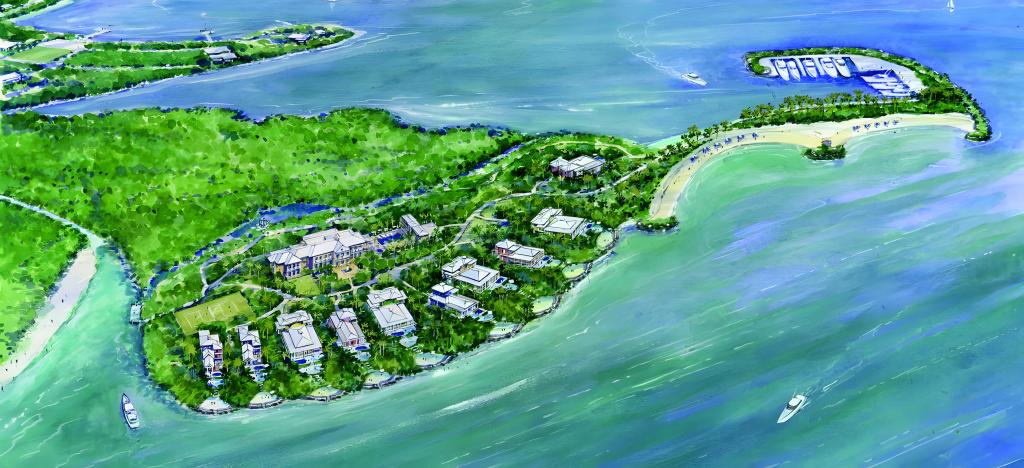
Bahamas New Hope is conceived as The Island Club at Joe’s Cay: a low‑density, private‑island residential club in White Sound, Elbow Cay (Hope Town), Abaco. The masterplan sets just ten freehold waterfront villas and a hotel‑grade clubhouse on ~5 acres, pairing ultra‑scarce inventory with a full service spine—private harbour, engineered beach, spa/fitness, pool with cabanas, and racket & lawn sports—so that owners enjoy a quiet‑luxury, club‑level experience steps from Hope Town. Approvals and hotel‑commercial zoning are in place, and the site is accessed via Marsh Harbour International Airport followed by a short launch.
1) Setting & Access
Joe’s Cay sits just off the sheltered waters of White Sound, a short hop by boat from historic Hope Town. The location taps a well‑established audience of repeat visitors and high‑affluence travelers—many arriving by private aircraft or yacht—who value privacy, ease of access, and time in the Out Islands. On‑island movement is by foot and electric golf cart along a central path; all arrivals are by water via the project’s protected residents’ harbour and utility/ferry dock.
2) Masterplan & Architecture
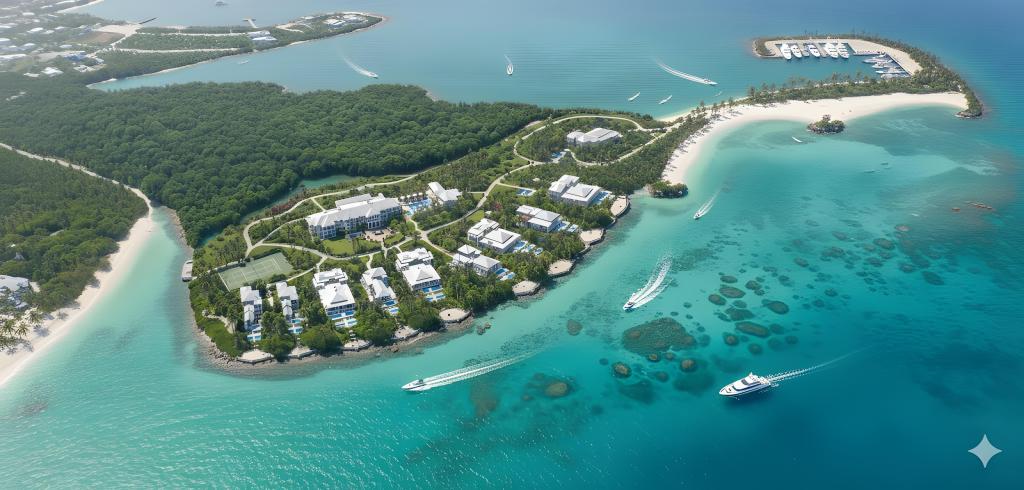
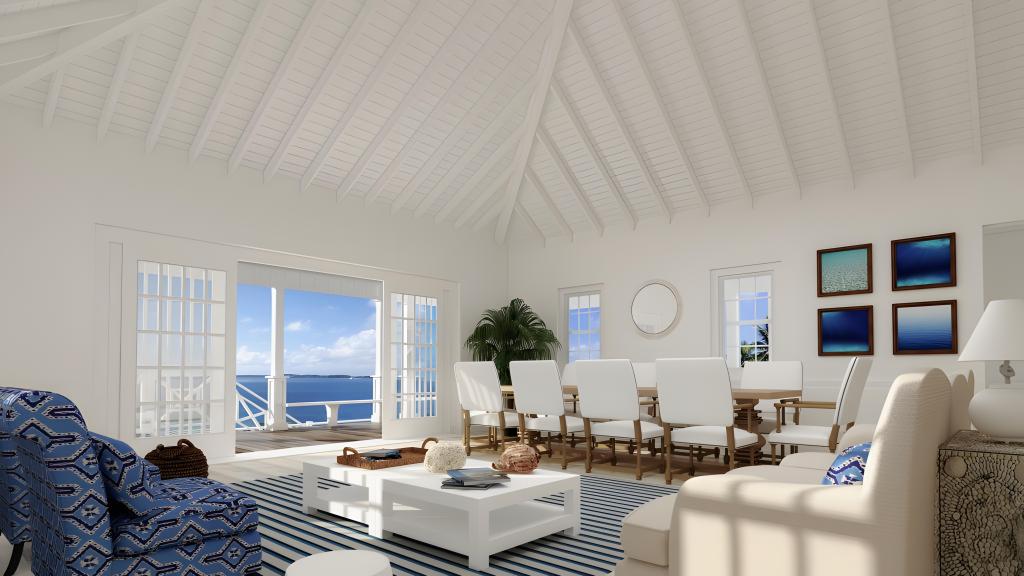
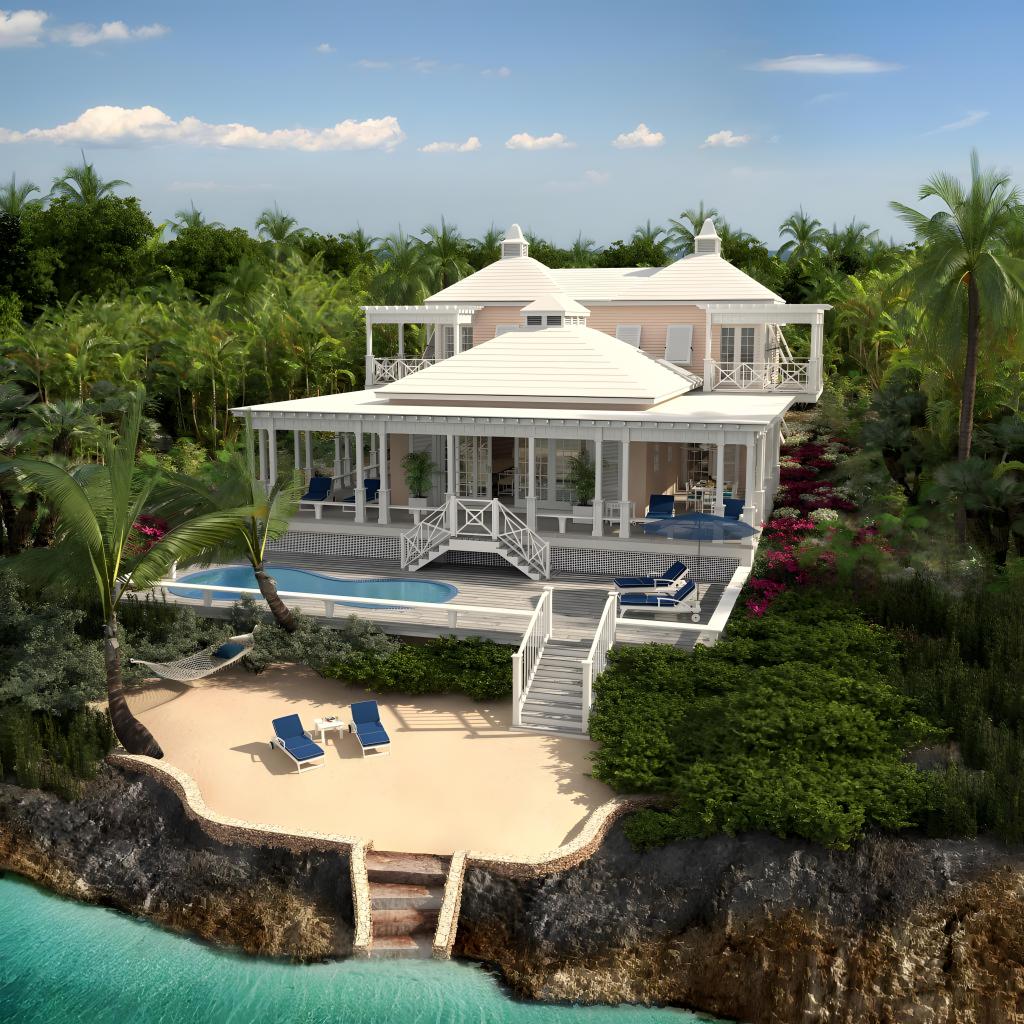
The residential program comprises ten single‑family waterfront villas with typical footprints of roughly 1,500–3,500 sq ft, arranged along a central path for privacy and views. A ~6,000 sq ft clubhouse anchors the resort core with reception and management quarters, staff/service areas, restaurant and kitchen, library and first‑aid capability, plus 6–10 luxury guest suites of approximately 500–620 sq ft each for visiting family and friends. The architecture is resort‑grade—back‑of‑house planned to hotel standards—and the landscape palette emphasizes native species and retention of existing vegetation.
3) Signature Amenities & Daily Life
Harbour & marina. A residents’ harbour with 10 slips sits behind a breakwater; marine operations are being prepared to align with Blue‑Flag principles (environmental education, sanitary standards, bilge/toilet pump‑out, and safety equipment). A separate utility/ferry dock ties to the White Sound channel for logistics and guest movement.
Beach & pool life. An engineered recreational beach is stabilized by a protective dune and discrete rock groins; a beach‑adjacent pool with cabanas, restaurant/bar service, and shaded lounging frames daily life. Across the island, the amenity stack adds racket and lawn sports, a spa/fitness program, and thoughtfully sited social terraces for sunset gatherings.
Boardwalk & trails. A 10‑ft boardwalk connects harbour/clubhouse to the utility dock and organizes circulation, while nature paths thread through native planting to preserve the island’s quiet character.
4) Utilities, Comfort & Resilience
All homes and suites are served by grid power via submarine cable, backed by on‑site generation with optional solar PV for low‑voltage loads. Roof‑water is captured into cisterns at each residence and supplemented by a clubhouse reverse‑osmosis plant; wastewater is treated in a central package plant with grey‑water reuse for irrigation and no surface‑water discharge. These choices lower operating friction, harden the island against weather events, and keep sensitive shorelines clear.
To ensure continuity in storm season, the team has a Business Continuity & Hurricane Preparedness Plan that triggers ride‑out crews, fuel/water reserves, backup communications and power, asset tie‑downs, and harbour protocols by storm category—with a structured re‑opening playbook for inspections, vendor call‑backs, staff staging, and guest communications.
5) Environmental Stewardship (EIA/EMP in force)
The project’s environmental approach is embedded from design through operations:
Coastal protections. During in‑water works, turbidity curtains are deployed and water quality is monitored twice daily—100 m upstream for background and 200 m downstream—with a compliance threshold of ≤ 29 NTUs above background, and weekly summaries provided to the Ministry/BEST.
Habitat & setbacks. The plan preserves a mangrove area to the east and maintains a 40‑ft residential setback along the island’s west coastline; the recreational beach includes a mitigation planting shelf to support near‑shore ecology.
Operations governance. An Environmental Manager oversees construction and hands off to a resort compliance lead post‑opening. A digital ESMP logbook archives sampling, incidents, mitigations, and photo evidence; marine‑works meetings occur weekly (monthly in steady state). Boat‑maintenance rules (e.g., no in‑water pressure washing; capture of wash water on impermeable, bermed surfaces; biodegradable cleansers) are enforced to protect water quality.
6) Marine Engineering (harbour, docks & beach)
The 10‑slip residents’ harbour is protected by a breakwater (minimum crest +4 ft MSL) and dredged to −7 ft MSL. The utility/ferry dock and access channel are engineered to −5 ft MSL—all works governed by the Environmental Management Plan and coastal‑engineering guidance referenced therein. Beach stability measures include a protective dune (engineered to +5 ft MSL) and rock groins designed to hold beach‑compatible sand over time.
7) Club Operations, Governance & Community
Club & owner policies. Member‑first rules govern privacy and security (including CCTV in common areas), dock use, guest limits and reservations for restaurants and spa, and no exterior alterations to villas or landscaping to protect uniformity and long‑term value.
Hospitality standards. A dedicated operations plan covers staffing, service KPIs, and on‑island leadership, ensuring that the clubhouse, marina, and wellness venues run to hotel standards while preserving the island’s intimate scale and seclusion.
ESG & local partnerships. The Island Club program includes an organic kitchen garden/orchard with composting and grey‑water irrigation, an interpretive mangrove boardwalk for conservation education, and skills pathways—apprenticeships, supplier development, and scholarships—prioritizing local hiring and community benefit.
8) Phasing & Delivery
Delivery is sequenced to minimize disruption and build amenity value early:
Phase 4 — Commissioning & handover: EMP verification, Blue‑Flag‑aligned marina readiness, and staged transfers aligned to construction milestones.
The overall project duration is ~36 months, with a temporary construction dock used during early logistics and removed at completion.
Phase 1 — Mobilization & EMP onboarding: site protections, final surveys, and approvals close‑outs.
Phase 2 — Marine works: breakwater/jetties, harbour dredge, utility dock/channel, and engineered beach/dune with mitigation plantings.
Phase 3 — Horizontal & vertical: utilities (RO plant, wastewater, power), paths/boardwalks, clubhouse and villas with salt/wind/solar‑resilient detailing.
Why it matters
Bahamas New Hope elevates the Out Islands paradigm from “beautiful but DIY” to “private‑club simplicity”: a handful of substantial villas, true hotel service, protected boating, and a stewardship‑first environmental plan—all within a paddle of Hope Town. The result is an intimate, verifiable island club where design discipline, environmental safeguards, and daily hospitality come together to create lasting value for owners and the surrounding community.
 GGA & Associate Solutions LTD